A cold shower before work is a quick reminder that hot water is not a luxury. When a system fails, the choice between electric versus gas water heaters can feel urgent, especially when you are balancing household comfort, running costs and the practical limits of your property. The right answer depends on how many people use hot water, your available services, your budget and whether you need a like-for-like replacement fast.
For homes across Rockingham, Perth and Mandurah, there is no one-size-fits-all winner. Electric and gas hot water systems both do a reliable job when they are properly sized, installed and maintained. The best choice is the one that suits the way your household actually uses water.
Start With Your Household’s Hot Water Habits
Before choosing a fuel type, think about the pressure your household puts on hot water. A couple in a small home who shower at different times has very different needs from a busy family with teenagers, two bathrooms and a dishwasher running after dinner.
Pay attention to the times hot water runs out or feels stretched. Back-to-back showers, a large bath, washing loads and kitchen use can all happen within the same hour. A system must have enough stored hot water or enough heating capacity to keep up with that peak demand.
Your existing connections matter too. If your home already has natural gas connected and a suitable location for a gas unit, changing to gas can be more straightforward. If there is no gas supply, adding gas infrastructure can change the upfront cost considerably. Likewise, an electric system may need a suitable dedicated electrical circuit, particularly when replacing an older unit or installing a high-capacity model.
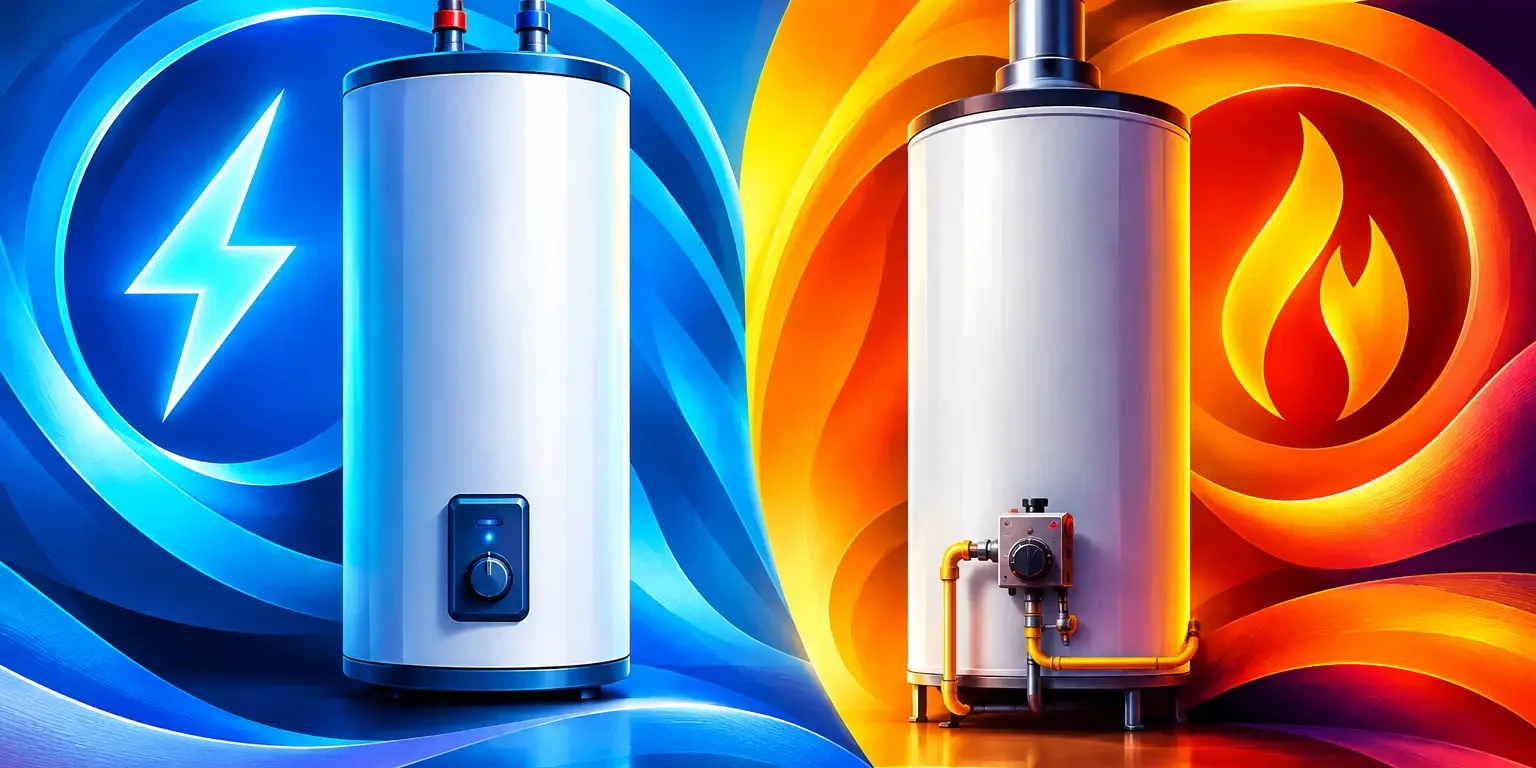
Electric Versus Gas Water Heaters: The Main Differences
Electric hot water systems usually heat water with an electric element inside a storage tank. They are common in older and newer homes alike, are available in a wide range of tank sizes, and can be relatively simple to install where the electrical setup is suitable. Heat pump systems also run on electricity, but use heat from the surrounding air to warm the water and can use far less electricity than a standard electric storage unit.
Gas systems can be storage units with a burner beneath the tank or continuous-flow units that heat water as it passes through. Continuous-flow gas systems are popular where space is tight and households want hot water on demand, while gas storage systems hold a reserve of heated water ready for use.
The practical difference often comes down to recovery. A standard electric storage tank may take several hours to reheat once much of its hot water has been used. A gas storage system generally recovers faster, and a correctly sized continuous-flow gas unit can keep producing hot water while gas and water are available. That can make gas appealing for larger households with frequent, consecutive showers.
However, continuous flow does not mean unlimited hot water at every outlet without limits. The unit must be sized for the number of fixtures likely to run at once. If two showers, a tap and an appliance are all calling for hot water, an undersized unit may struggle to maintain the desired temperature or flow.
Upfront Cost and Day-to-Day Running Costs
It is tempting to choose based only on the purchase price, but the cheaper unit on installation day is not always the lower-cost option over its working life. Installation costs depend on the unit type, location, access, pipework condition, electrical work, gas connection requirements and whether the old system needs to be removed.
Standard electric storage systems can have a lower upfront price, particularly as a direct replacement. Their running costs, though, depend heavily on your electricity tariff and when the system heats. Some homes have controlled-load arrangements that heat water during off-peak periods. This can reduce costs, but it also means the tank needs to be correctly sized to last until its next heating cycle.
Gas costs depend on your gas tariff, daily supply charges and how efficiently the system converts gas into hot water. Continuous-flow units avoid the standing heat loss of a storage tank because they heat water only when required. Gas storage units, on the other hand, keep water hot around the clock and can lose some heat through the tank over time.
For households with solar panels, electric hot water can become more attractive, particularly if the system is set up to use daytime solar generation. A heat pump may offer strong energy savings, but it needs a suitable outdoor position, creates some operating noise and has a higher initial cost than many conventional electric tanks. The figures need to be assessed against your household use, rather than assuming solar automatically makes every electric option the cheapest.
Space, Appearance and Installation Location
A storage system needs room for a tank. Depending on its size, that could mean a noticeable footprint outside, in a laundry or within a service area. It also needs safe drainage arrangements because the temperature and pressure relief valve can discharge water during normal operation.
Continuous-flow gas units are compact and generally wall-mounted, making them useful for smaller yards or homes where a bulky tank is inconvenient. They still need a compliant location, correct clearances and suitable gas and water pipework. Indoor gas appliances may also require specific flue and ventilation arrangements, so this is never a job for guesswork.
For either option, access matters. A system tucked behind landscaping, under a low roofline or in a difficult side passage can be harder to service and replace. A good installation considers more than where the unit fits on day one. It should leave safe access for future maintenance, repairs and replacement.
Reliability, Maintenance and Lifespan
Both gas and electric systems can give years of dependable service, but water quality, installation quality and maintenance make a real difference. Storage tanks can eventually corrode internally, especially if the sacrificial anode is not checked and replaced when needed. Small leaks around valves, pipe connections or the base of a tank should be dealt with early before they become a larger water damage problem.
Gas units need safe, licensed gas work and periodic servicing in line with the manufacturer’s advice. Signs that need prompt attention include inconsistent water temperature, ignition problems, unusual smells, soot marks, error codes or a pilot that will not stay alight. If you smell gas, avoid switches and naked flames, move away from the area and seek urgent help from a licensed gas fitter.
Electric systems can develop failed elements, thermostat faults, leaking valves and tank corrosion. A system that trips the switchboard, delivers lukewarm water or makes unusual noises should be inspected rather than repeatedly reset or ignored.
When Electric May Be the Better Fit
Electric can be a sensible choice for a smaller household with modest hot water demand, a property without natural gas, or a straightforward replacement where the existing electrical setup is in good order. It can also suit homeowners planning to make better use of rooftop solar, especially when considering a heat pump or an appropriately timed storage system.
A larger electric tank can work well for a family, but the recovery period needs to be understood. If everyone showers in the evening and the tank is depleted, there may be a wait before full hot water is available again. Correct sizing is more important than simply choosing the lowest-priced tank.
When Gas May Be the Better Fit
Gas is often a strong option for homes with an existing gas connection, larger families and households that need repeated hot water use across several bathrooms. A properly selected continuous-flow unit can free up outdoor space and provide consistent hot water without storing a large tank.
The trade-off is that gas installation, ventilation or flue requirements can add complexity, particularly when converting from electric. Gas appliances must be installed, repaired and safety-checked by a licensed professional. This protects your household and ensures the system is operating as intended.
Replacing a Failed System Without Rushing the Decision
When your hot water system has failed, a like-for-like replacement is often the fastest route back to normal. But if your old unit regularly ran out of hot water, took up too much space or cost more than expected to run, it is worth pausing long enough to consider another option.
A licensed plumber and gas fitter can assess the existing unit, check the condition of connections and pipework, confirm the available energy services, and explain what is involved in changing systems. Clear advice should include the likely installation work, suitable capacity, ongoing maintenance needs and a detailed quote before work begins.
Super Tap Man can help homeowners make that call without drowning them in jargon. The goal is simple: safe, reliable hot water that suits your home and does not leave the family lining up for the shower.
The best time to plan a hot water replacement is before the old system gives up completely. If your unit is ageing, leaking, noisy or unreliable, arranging an inspection now can give you options instead of forcing a rushed choice on the morning the water turns cold.