A blocked toilet that keeps returning, a gurgling shower drain or a soggy patch in the yard can leave you guessing what is happening below ground. That is where CCTV drain inspection cost Perth becomes a useful question – not simply because you want a price, but because you want to avoid paying for the wrong repair.
A drain camera inspection lets a licensed plumber see inside your pipes without digging up the garden, lifting pavers or cutting into concrete first. For many Perth homes, it is the quickest way to find the real cause of a stubborn blockage and decide what needs to happen next.
What is included in a CCTV drain inspection?
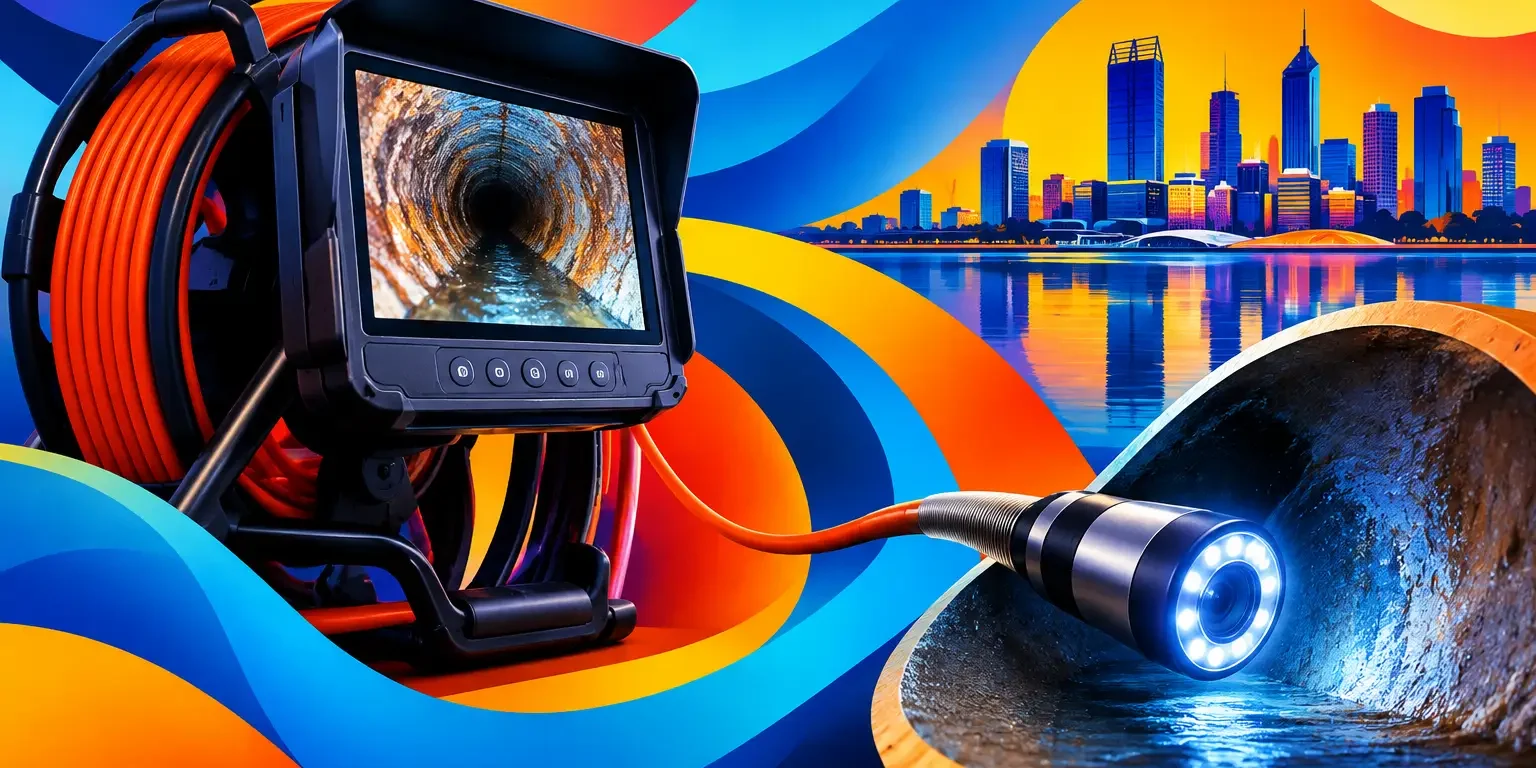
A CCTV drain inspection uses a purpose-built waterproof camera attached to a flexible cable. The plumber feeds it through a suitable access point, such as an inspection opening or drain, and watches a live view of the pipe’s condition.
The camera can help identify tree-root intrusion, cracked or displaced pipes, collapsed sections, grease build-up, foreign objects and poor pipe connections. It can also show whether a recent blockage has actually cleared or whether debris is still sitting further down the line.
The exact service varies between jobs. A straightforward inspection of an accessible residential drain is very different from tracing a long, heavily blocked line or inspecting multiple drainage points across a larger property. A clear quote should explain whether the visit covers the camera inspection only, clearing work, locating equipment, reporting or any recommended repairs.
CCTV drain inspection cost Perth: what affects the price?
There is no single fixed price for every drain camera job. As a general guide, a basic CCTV inspection for an accessible residential drain may sit in the low hundreds of dollars, while more involved investigations can cost more. If the drain needs clearing before the camera can pass through, or the problem is deep, extensive or difficult to access, the overall job cost rises.
The main factors are practical ones:
- How easy the drain is to access. A visible inspection opening is usually simpler than a line that requires removing a toilet, accessing a tight crawl space or working around landscaping.
- Whether the pipe is blocked. A camera cannot always get past packed roots, wet wipes, grease or collapsed pipework. Water jetting or mechanical clearing may be needed first.
- The length and layout of the drain. Longer runs, multiple branch lines and hard-to-trace drainage systems take more time to inspect properly.
- Whether locating is required. If a fault needs to be marked above ground before excavation, a locating service can be added to pinpoint its position and depth.
- The time of attendance. Emergency, after-hours, weekend and public holiday work may attract different call-out rates.
- What you need after the inspection. The camera identifies the condition of the pipe. Clearing, repairing, relining or replacing it is separate work and should be priced separately.
A camera inspection is often best viewed as diagnostic work. It can prevent costly guesswork, particularly when the same drain blocks repeatedly. But it will not make sense for every one-off blockage. If a simple blockage clears completely and does not return, a plumber may reasonably recommend monitoring it rather than paying for a camera straight away.
When a drain camera is worth it
A CCTV inspection is particularly worthwhile when the problem has a pattern. Perhaps the toilet backs up every few months, the laundry drain gurgles whenever the shower runs, or roots have caused trouble before. Repeated call-outs without finding the underlying cause can become more expensive than inspecting the line properly.
It is also a sensible option before major drain repairs. If someone suggests excavation, pipe replacement or extensive work near a driveway, garden bed or paved area, a camera inspection gives you clearer evidence of what is damaged and where. That helps you understand the recommendation and compare quotes on a like-for-like basis.
Landlords and property managers can benefit too. A visual inspection can help separate a tenant-caused blockage, such as wipes or foreign objects, from an ageing or root-damaged drain. It provides a clearer record of the issue and can reduce back-and-forth when arranging repairs.
For homebuyers, a pre-purchase drain check can be worth considering for older properties, homes with large established trees or properties with signs of drainage trouble. It is not a replacement for a building inspection, but it can reveal hidden drain concerns that are easy to miss from the surface.
What happens during the visit?
The plumber should start by asking what you have noticed: where water is backing up, when the issue began, whether it happens after using certain fixtures and whether previous repairs have been completed. These details help narrow down which line needs attention.
If there is standing wastewater or a solid blockage, the drain may need to be cleared before inspection. High-pressure water jetting is commonly used to remove roots, grease and built-up debris, allowing the camera to travel through the pipe. In some cases, the camera itself shows that clearing alone is not enough because the pipe has cracked, shifted or collapsed.
During the inspection, the plumber looks for both the obvious blockage and the reason it occurred. Roots may be entering through a joint. A pipe may have a low section that holds waste. Older clay pipes may be cracked or misaligned. Finding the cause matters because clearing the drain without addressing a serious defect may only buy time.
Once the inspection is complete, you should receive a plain-English explanation of the findings and the options available. Depending on the issue, that may mean no further work, routine maintenance, root treatment, jetting, spot repair, pipe relining or excavation. The right option depends on the pipe condition, location, budget and how long you plan to keep the property.
Questions to ask before approving the work
A low advertised inspection price can sound appealing, but it is worth confirming what is actually included. Ask whether the quote covers the call-out, camera time and a verbal explanation of the findings. If the drain is blocked, ask whether clearing is included or charged separately.
It is also reasonable to ask whether footage, images or a written report are available, especially for a rental property, insurance matter or proposed repair. Not every household job needs a formal report, but clear evidence can be valuable when significant work is being considered.
Most importantly, ask for separate pricing for diagnosis and repairs. A good plumber will explain the immediate issue, what can wait and what should be dealt with promptly. You should not feel pushed into excavation before you understand why it is needed.
How to keep drain costs under control
The cheapest way to manage drains is to avoid feeding them problems. Keep wipes, paper towel, sanitary products, cotton buds and cooking fat out of toilets and sinks. Even products labelled as flushable can cause trouble once they meet roots, older pipework or other debris in the line.
If you have mature trees near drainage runs, regular maintenance can be more cost-effective than waiting for a complete blockage. Root growth is common in older Perth properties and can turn a minor slow drain into an after-hours overflow if left too long.
Act early when warning signs appear. Slow drainage, bad smells, gurgling, overflowing outdoor gullies and water backing up in a lower fixture are all reasons to book a check. Catching a developing issue may mean a straightforward clean rather than emergency clearing and repairs.
Super Tap Man can inspect troublesome drains, explain what the camera finds and provide a clear quote for the work that genuinely needs doing across Rockingham, Perth and Mandurah. If your drains keep blocking or you are worried about a hidden pipe fault, getting the right diagnosis now can protect your home, your yard and your budget later.