There is never a good time for hot water to disappear. It is usually noticed halfway through a shower, while washing up after dinner, or when a tenant calls about a cold tap. A failing system can be inconvenient, but leaks, rusty water and gas-related faults can also point to a problem that needs prompt attention.
For homes across Rockingham, Perth and Mandurah, the best response depends on what the system is doing, how old it is and whether it is powered by electricity, gas, solar or a heat pump. Knowing the early warning signs can help you avoid a complete breakdown and make a clear decision about repair or replacement.
The hot water warning signs to act on
A complete loss of hot water is the obvious sign, but it is not the only one. Water that runs lukewarm, takes much longer than usual to heat up, or goes cold after a few minutes deserves investigation. With a storage tank, these issues may be caused by a worn heating element, thermostat, valve or burner. With a continuous-flow unit, the fault may be linked to ignition, water flow, gas supply or a blocked filter.
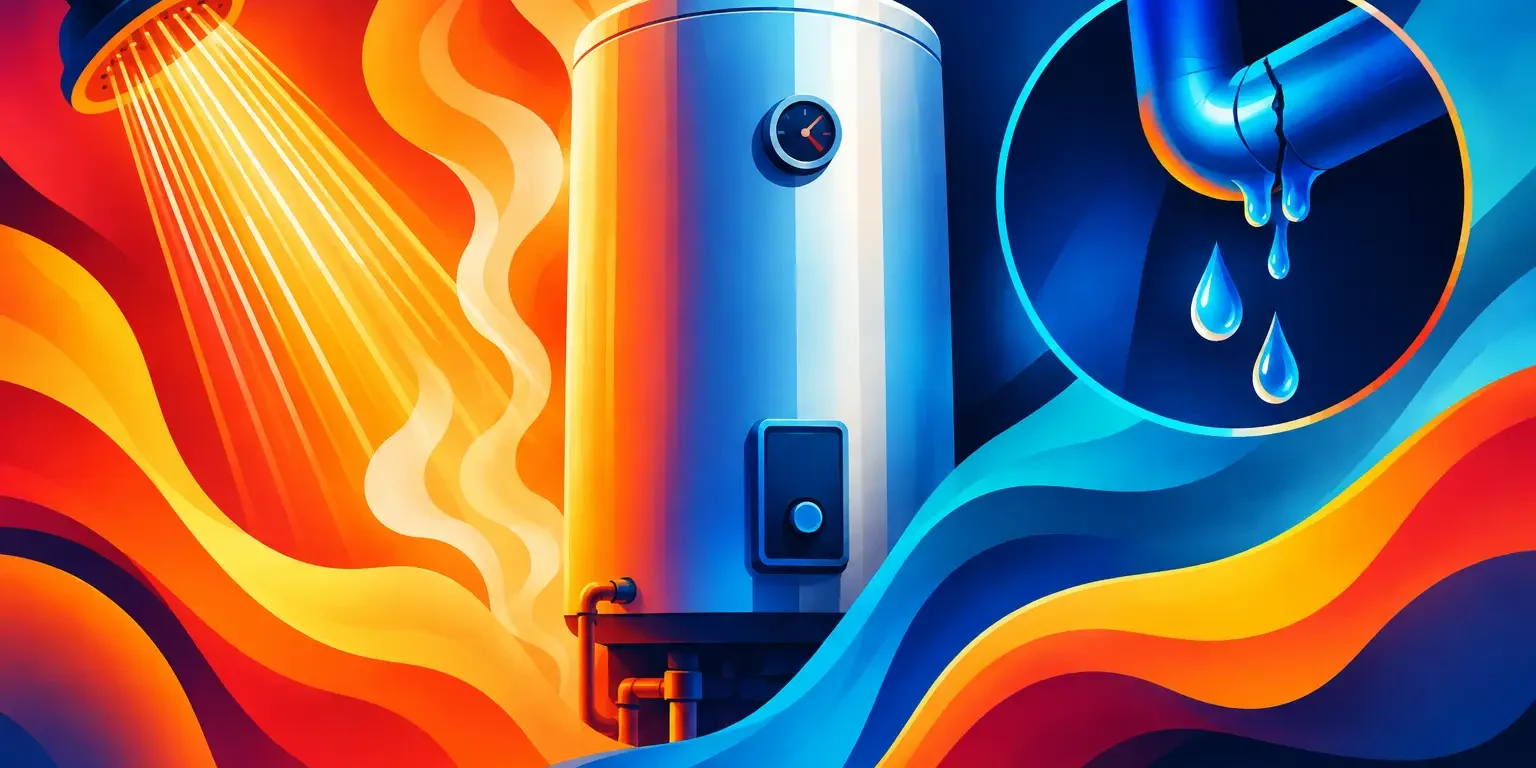
Water pooling around the unit is another warning sign. A small amount of water from a temperature and pressure relief valve can occur during normal heating cycles, but steady dripping, a wet base or water running from the tank should not be ignored. Corrosion can eventually weaken a tank until it leaks beyond repair.
Keep an eye on the water from your taps too. Brown, rusty or discoloured water can come from ageing pipework or corrosion inside a storage tank. If only the hot tap is affected, the system is a likely source. Metallic smells, strange noises, or popping and rumbling from the tank also warrant a professional check.
For gas systems, treat warning signs seriously. A yellow or lazy flame, soot marks, unusual smells, repeated failure to ignite or a pilot that will not stay lit are not DIY jobs. If you smell gas, turn off the appliance if it is safe to do so, avoid flames and electrical switches, move away from the area, and arrange urgent help from a licensed gas fitter.
What you can safely check first
Before booking a repair, a few simple checks can provide useful clues. Start by checking whether the issue affects every hot tap or only one fixture. If the kitchen has hot water but the ensuite does not, the problem may be local to that tap, mixer or pipework rather than the whole system.
For an electric storage system, check the switchboard for a tripped circuit breaker or safety switch. Reset it once if appropriate. If it trips again, leave it off and call a licensed plumber or electrician. Repeated tripping can indicate an electrical fault and should never be worked around.
If you have a gas continuous-flow unit, check that there is power to the unit and that the display is showing an error code. Note the code rather than repeatedly resetting the appliance. It gives the technician a useful starting point. You can also check whether other gas appliances are operating normally, but do not remove covers or attempt to relight components unless the manufacturer’s instructions clearly allow it.
If water is leaking, protect the home first. Turn off the cold-water isolation valve feeding the system if you can identify it safely. For a serious leak, use the property’s main water shut-off valve and move valuables away from the area. Take a photo of the leak and the system’s make and model if possible. That information can help when arranging a visit.
Repair or replace? It depends on the system
Not every hot water fault means a new system is required. A failed valve, thermostat, sacrificial anode, heating element or burner component can often be repaired, provided the tank and major parts of the unit are still in sound condition. Timely maintenance can extend the working life of some storage systems and prevent small leaks from becoming costly water damage.
Replacement becomes the smarter option when a storage tank is badly corroded, leaking from its body, nearing the end of its expected service life or requiring frequent repairs. A unit that cannot keep up with your household is also worth reassessing. Adding another bathroom, welcoming new family members or converting a spare room can change your hot water demand quickly.
The right replacement is not always the biggest unit available. An oversized storage system may cost more to buy and keep hot, while an undersized unit can leave the last person in the household with a cold shower. A licensed plumber will consider household size, peak shower times, available energy connections, roof space for solar, installation location and your budget.
Storage, continuous flow, solar and heat pump options
Electric storage systems are common and straightforward, especially where an existing system is already in place. They store a set volume of heated water, so capacity matters. They may suit smaller households or homes with off-peak electricity arrangements, but running costs should be considered alongside the upfront price.
Gas storage systems also hold hot water in a tank and can provide dependable capacity for larger households. They require safe gas connections, correct ventilation and professional installation. If the tank fails, replacement can be more involved than a simple component repair.
Continuous-flow gas systems heat water as it passes through the unit. They do not store a tank of hot water, which can save space and provide a steady supply when correctly sized. However, the system must have adequate gas supply, water pressure and electrical power for its controls. Multiple bathrooms running at once may require a higher-capacity model or careful system design.
Solar hot water and heat pump systems can reduce energy use, particularly in Perth’s sunny climate. They have different installation requirements and may cost more upfront. Their value depends on your household’s usage patterns, available space and the condition of existing plumbing and electrical connections. A good recommendation looks at the whole property, not just the sticker price of a new unit.
Why hot water installations need licensed work
A hot water system connects water services with electricity or gas, often under pressure and at temperatures that can cause scalding. Correct installation is about more than getting warm water back quickly. It includes safe pipework, suitable valves, compliant drainage, proper tempering, secure connections and testing before the system is returned to service.
Gas work must be completed by a licensed gas fitter. This includes gas hot water repairs, new installations, gas line changes and appliance connections. Poor gas work can create risks that are not always obvious, so it is never an area for shortcuts or an unlicensed repair.
For landlords and property managers, a fast response is especially valuable. Tenants need a functioning essential service, while the property needs protection from leaks and preventable damage. Clear fault reporting, accurate diagnosis and upfront explanation of repair options make it easier to approve the right work without unnecessary delay.
Getting more life from your system
A little attention can make a real difference. Keep the area around the unit clear so leaks and corrosion are easier to spot. Do not store boxes, chemicals or garden equipment against the system. Check visible pipework and valves occasionally, especially after heavy rain or if the unit is installed outside.
Ask about maintenance that suits your type of system. Depending on the unit, this may include checking the anode in a storage tank, inspecting valves, flushing sediment, testing gas operation or servicing solar and heat pump components. The schedule is not identical for every model, so follow the manufacturer’s guidance and seek advice based on the system you have.
If your system is becoming unreliable, do not wait for the next cold shower or a leak across the laundry floor. A licensed local plumber can identify the cause, explain the practical options and help you choose a safe, dependable fix. Need a plumber? Super Tap Man is ready to help get your household comfortable again.